As you go on your decluttering and minimalism journey, you might hear different minimalist lifestyle terms and wonder what they mean and how they apply to you. Are you a minimalist? Practicing underconsumption or anticapitalism? While labels don’t really matter it can be helpful to think about where your values are and why you’re working on having less stuff.
The Beginning: Decluttering
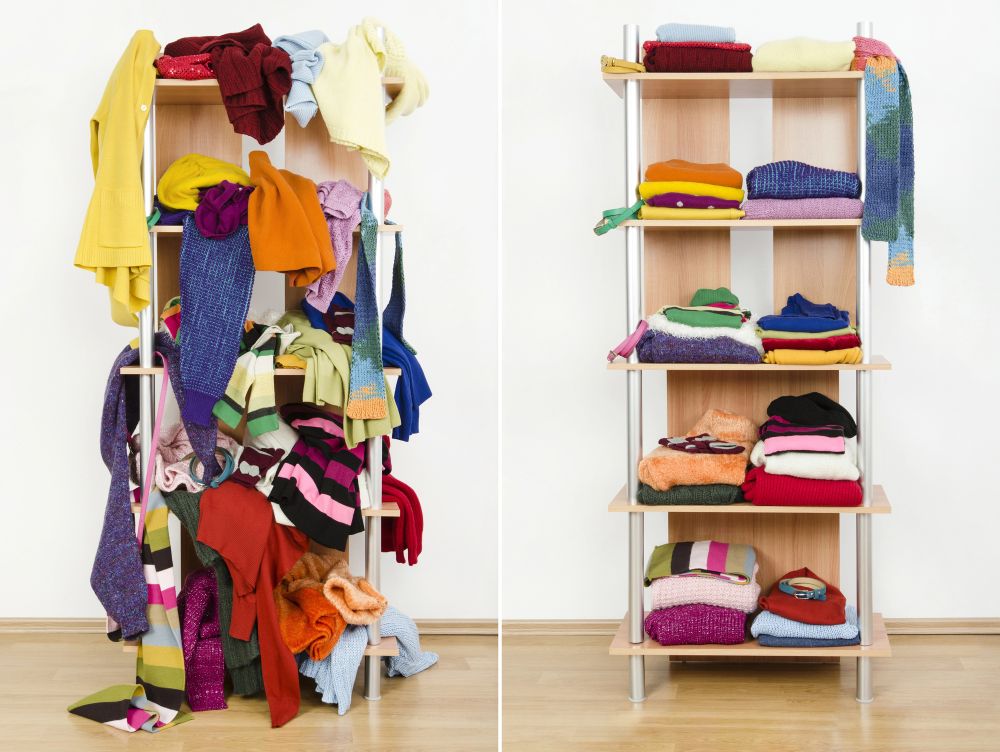
Most people start their minimalism journey with a desire to declutter. They feel like they have too much stuff, can’t find the things they need. Maybe you read Marie Kondo or got inspired to want to do some death cleaning so your kids don’t have to do it (as a kid of parents who will probably never do their own death cleaning, I thank you!).
Maybe you watched a minimalism documentary or an episode of “Hoarders” and it scared you straight (at least for a little while).
Whatever the reason, decluttering is the place most people start that leads to a more minimalist lifestyle generally. And if you need help with that part, particularly with craft supplies, I’ve got a resource that can help.
What is Minimalism?
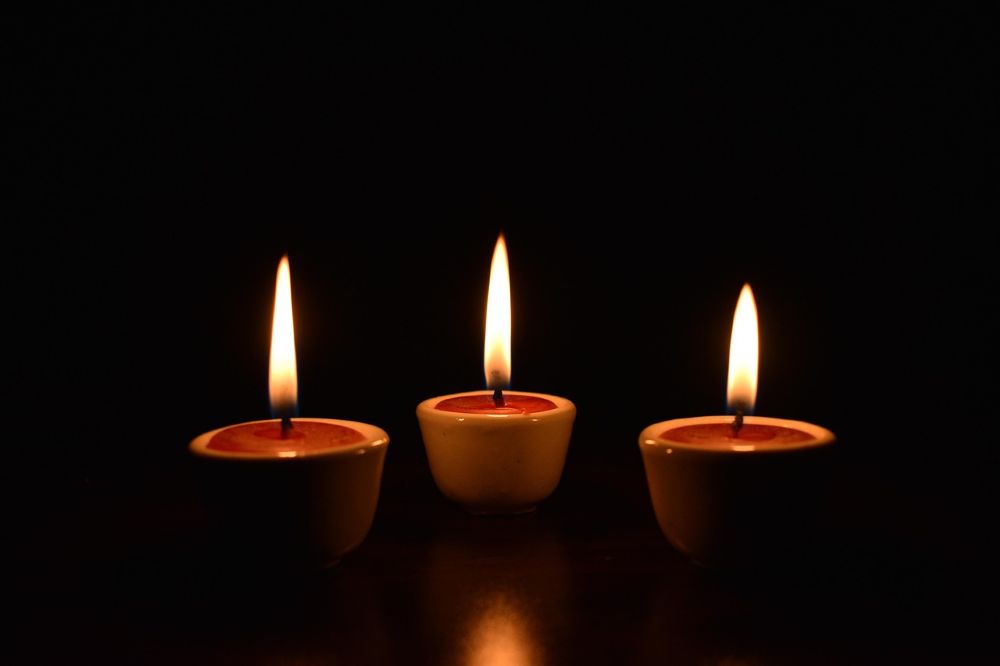
So what does minimalism mean exactly? Generally we think of it as living with less, but also being satisfied with what you have. It might be that you have less stuff but you strive to buy higher quality things that will last longer.
It’s definitely a way to live within your means, and while the common aesthetic is white or beige and lots of clean, empty spaces, you get to decide what feels like enough for you. It doesn’t have to be only wearing 33 things or only owning two forks because there are two people in your household.
To me, minimalism has a lot to do with intention. Being a minimalist crafter isn’t about getting rid of all our craft supplies, but it is about evaluating what we have, keeping what we really intend to use and making things with the things we already have instead of buying more.
Anticonsumerism and Anticapitalism
Anticonsumerism has to do with rejecting the capitalist structures that seem to regulate everything in our world. It’s a conscious choice not to engage in buying things you don’t need.
It can also be things like using free resources such as local buy nothing groups instead of buying things you need or might only use once or twice. Thrifting, gardening, food preservation and making things yourself instead of buying them are all anticonumerist practices.
Though we do sometimes need to buy supplies, I consider making in general to be anticapitalist because we aren’t just going out and buying the thing. If you’re striving for a minimalist lifestyle and being a minimalist crafter, even more so because the aim is to use things you already have, no capitalism required.
Underconsumption Core
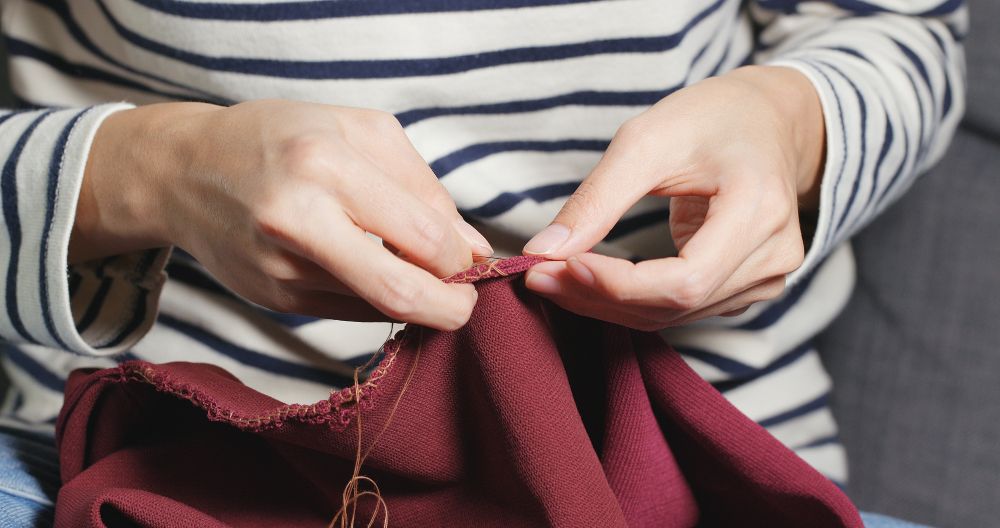
Underconsumption has been a buzzword for the past few years online, and it’s a form of minimalism that has to do with using things until they are worn out rather than buying new. I feel like thrifting can fit into underconsumption as well because you’re choosing to use things that still have life to give.
Upcycling and mending definitely fall into underconsumption core to me because you’re consciously choosing to take care of something to make it last longer, or turning something that might not be as useful right now into something that you will continue to use.
You might think of things like buying thrift store sweaters to unravel the yarn and reuse it as underconsumption because it’s a way to keep things out of the landfill and give them new life.
The key with underconsumption is that it doesn’t feel like deprivation. It’s a choice you make because of economics and environmental impact and because you like the things you have, not because you feel like you’re supposed to live that way because of a trend.
And of course bringing up economics it’s worth mentioning that all of these ideas come from a place of privilege, that you had enough money to buy to excess in the first place, or to buy better quality so you don’t have to replace things as often, or that you have the time and means to learn skills to repair things and so on. When you’re in survival mode you don’t have these choices.
My Favorite Minimalist Lifestyle Perspective: Usephoria
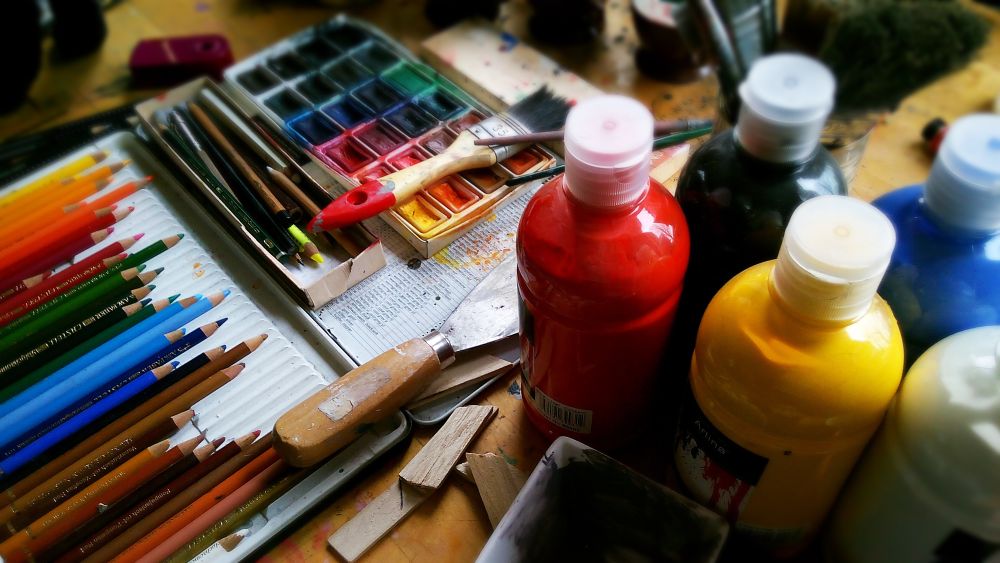
This is kind of a riff on underconsumption, but I came up with this term before that one was everywhere. Years ago a friend asked if there was a word for the particular joy you get when you use something up, like when the pen runs out of ink before it dries up.
I thought about it for a few days, and the word I came up with was usephoria (say it like euphoria with a use at the front). It means the joy of using things up.
It’s underconsumption in the sense of using what you have until it’s gone or has reached the end of its usefulness.
It’s also anticapitalist because you aren’t buying new things if you’re using what you already have.
It isn’t necessarily minimalist, but if you’re focused on using up what you have, coupled with not buying more, you’ll naturally have less stuff in the end, until you get down to what feels essential to you.
And the stuff you don’t want to use? Pass it on to someone who will.
I won’t say this perspective automatically makes decluttering easier, but it is a nice way to think about what you have, what you need and what you actually use (or will use when it comes to craft supplies). Remove what doesn’t fit in those categories and you’re all set. Which actually sounds a lot like reverse decluttering to me!
Do you use labels for yourself when it comes to your minimalist lifestyle? Would you call yourself a minimalist at all? I’d love to hear your thoughts.